

Giving you the tools to reach your goals
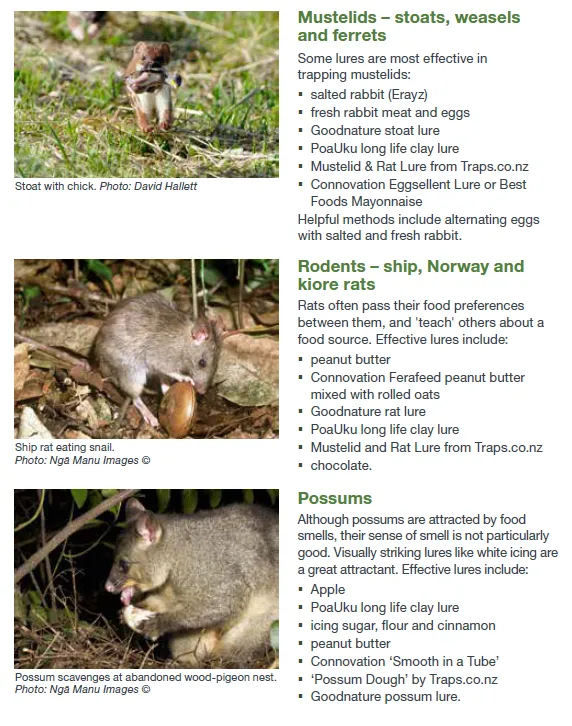
Targeting the Rats
Norway Rat Control Guide
Norway rats are heavy, cautious and highly social. They require a different approach than ship rats.
This guide explains how to identify their behaviour, use pre-feeding strategies, and place traps near waterways and compost zones.
It’s designed to help you reduce urban rat populations and keep pressure off vulnerable native wildlife
Ship Rat Control Guide
Ship rats are agile climbers and thrive in dense vegetation, making them a major threat to nesting birds.
This guide focuses on how to lure and trap them in hedges, trees and sheltered areas where they’re most active.With seasonal bait tips and placement strategies, it helps you stay one step ahead and protect the bush around your home.
Wak a Rat Guide
Rats are fast‑breeding pests that damage gardens, wiring and native birdlife. This guide shows how to use bait, scent and smart trap placement to outsmart them. With practical advice and seasonal lure tips, it helps you build an effective routine that protects your property and supports local wildlife.
A well‑set trap network can quickly reduce numbers and keep them from returning.
Why Wak-A-Rat?
Targeting the Rats
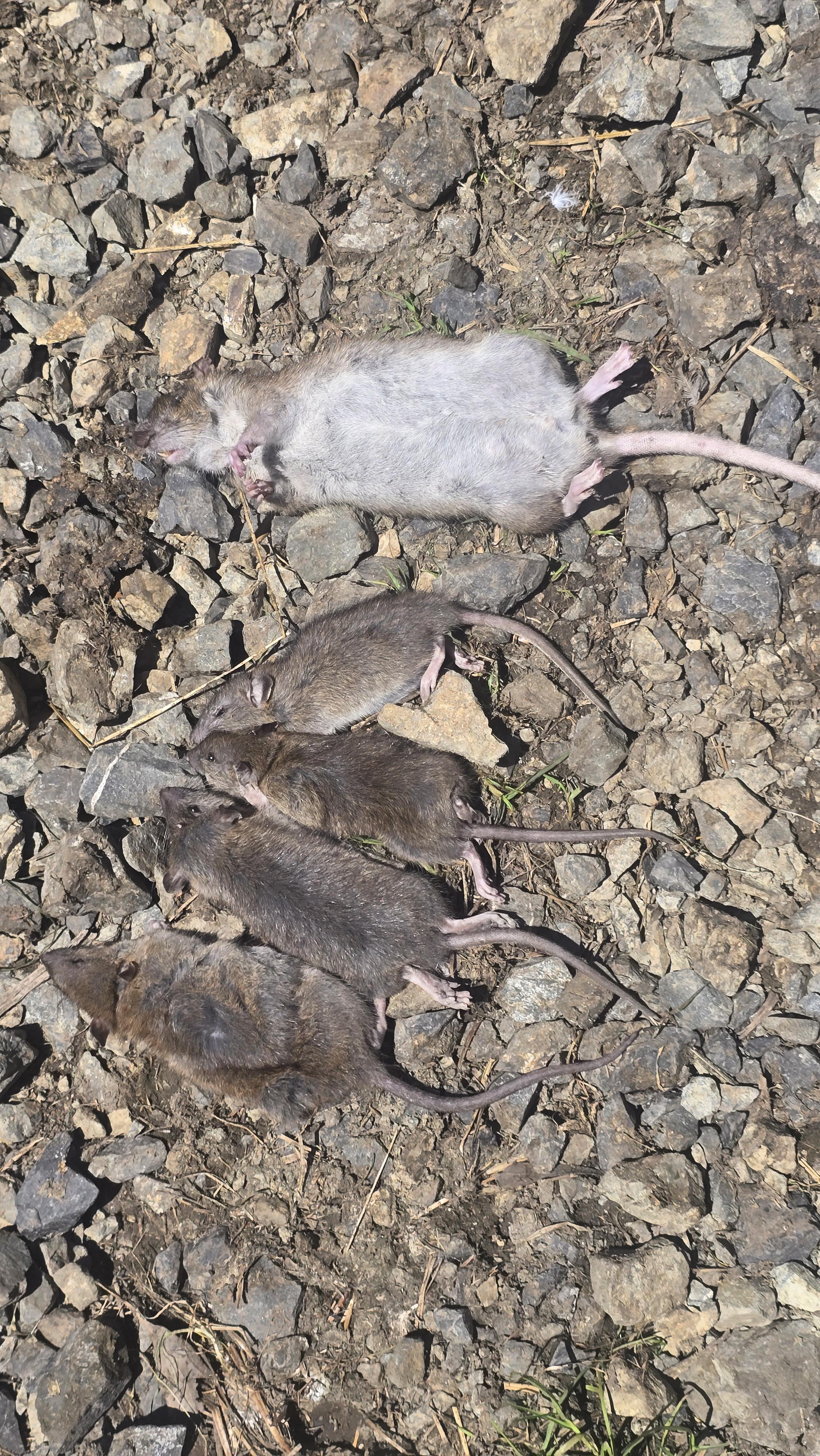
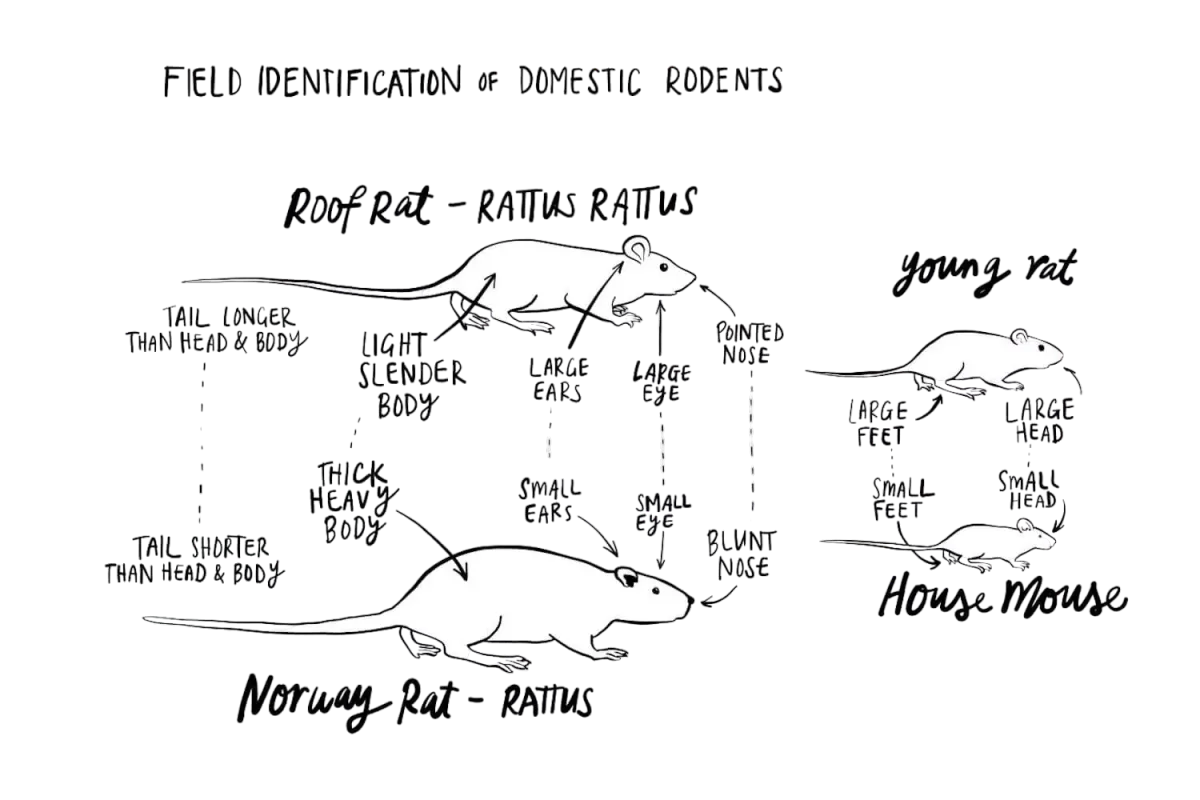
The three rat species in New Zealand are the ship rat (Rattus rattus), Norway rat (Rattus norvegicus), and kiore (Rattus exulans).
Ship rats are the most common and are known for their climbing abilities, making them a significant threat to native bird species that nest in trees.
Norway rats are larger and more aggressive, often found near waterways and urban areas, and are known to raid human food stores.
Kiore, the smallest of the three, are now only found in the south of the South Island and some offshore islands.
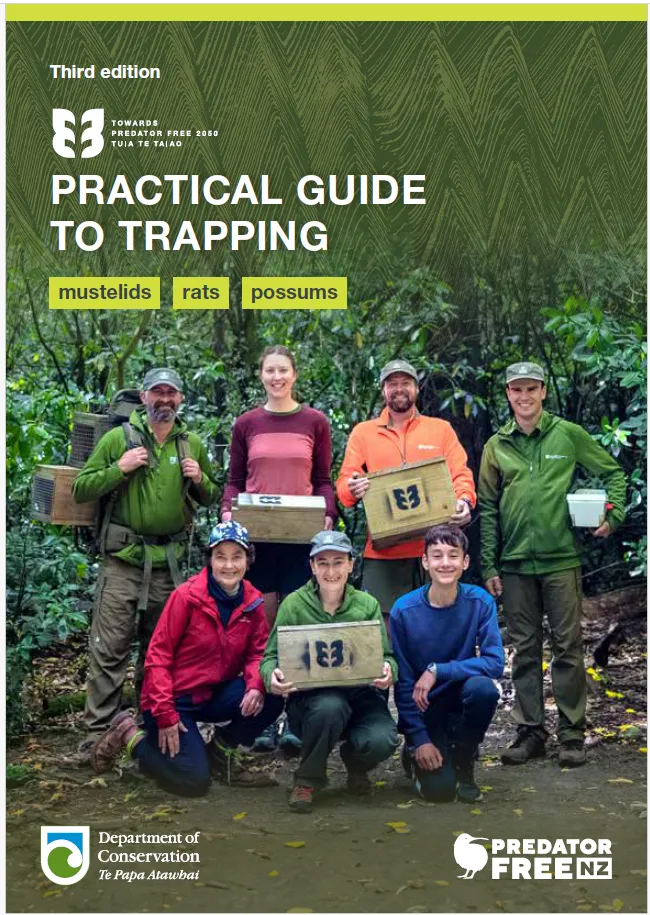
Trapper Guide (Digital Copy Download)
Useful Links for Local Trapping
Predator Free New Zealand
A national hub of trapping advice, guides and success stories. A great place to learn techniques, compare tools and stay updated on predator control across Aotearoa.

Helpful information on identifying and managing invasive weeds, plus details on where you can dispose of green waste for free in the Auckland region.

A regional network connecting predator control groups across Auckland. Helps share data, coordinate efforts and strengthen community impact

MetService Three‑Day Weather
Weather plays a big role in trapping success. This forecast gives you a clear picture of local rain and temperature patterns so you can plan your trap checks and baiting.

Matuku Link
A wetland restoration project in the Bethells Valley focused on habitat protection, education and predator control. Offers volunteer opportunities and guided visits

A collaborative conservation project in the Waitākere Ranges that combines trapping, monitoring and species reintroduction. A great example of long-term ecological care.

Community Waitākere
A Team with the goal of a 'West Auckland where all communities flourish' this mission statement applies to our native flora and fauna and a great resource to the community

A fast-growing community initiative working to reduce predator numbers across Franklin. Their resources and local stories are great for inspiration and practical tips.

ReCreators
A social enterprise promoting sustainable living through upcycled crafts, workshops and education. A creative way to connect conservation with community wellbeing.
Getting Started
Ready to Set Your First Trap?
Getting into trapping is easier than it looks, and a few simple steps will set you up for success. Begin by choosing a trap that suits your property, whether you’re dealing with rats, mustelids or both. Place it in a sheltered spot where pests naturally travel, and use a fresh lure to draw them in.
Once your trap is set, check it regularly and record your catches so you can see what’s working. If you ever need advice, want to compare results or just connect with others in the area, our Facebook group is the best place to ask questions and learn from locals.
Community powered conservation for Waitakere and Swanson.