Giving you the tools to reach your goals
Advice and Guides for
Local Trapping
Targeting the big Three
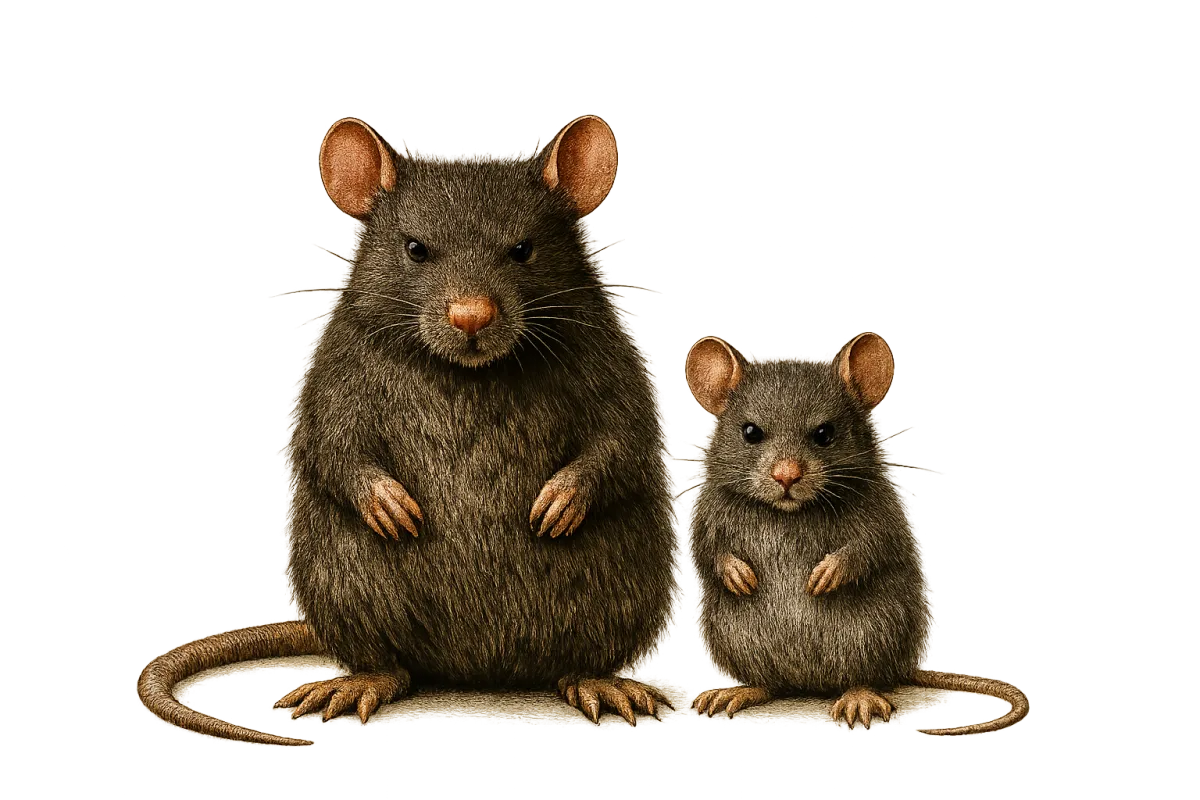
Predator Free Waitākere/Swanson's big three, Rats, Possums and mustelids are our main focus when it comes to trapping.
These three collectively do the most harm and as prolific breeders these populations can quickly get out of control.
Knowing is half the battle
Trap.nz Trapper of the month help
Every catch logged helps build a clearer picture of our progress.
Its important we use this tool, understanding how to use trap.nz is a vital part of helping our group grow.
Learn how to navigate this tool
Gear and Care
The right tools to do the job and taking care of those tools, so you get the most out of them.
We pride ourselves in offering the best traps of the best quality, but everything needs some TLC every now and then.
Read our tips on how to care for your gear.
Useful Links
''It takes a village'
Predator control is the responsibility of everyone its important to all do our part, sharing knowledge and resources is a big part of how successful we can be.
See a compilation of other useful pages and resources to help you learn more and be a more sucessful trapper.
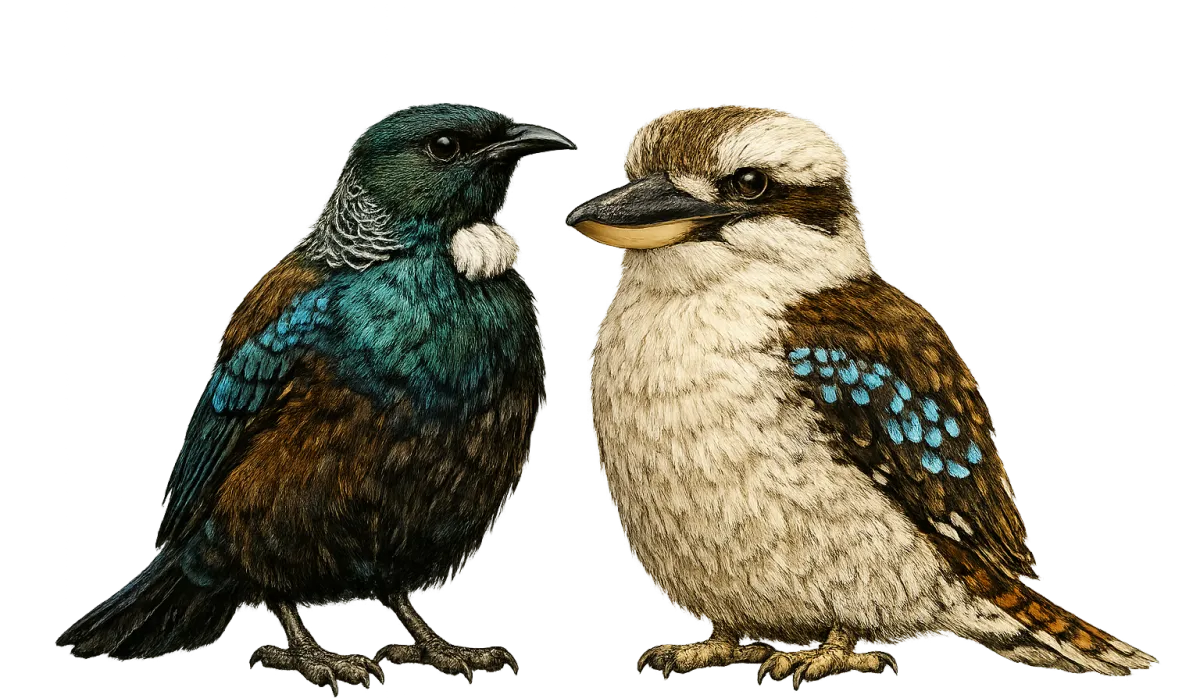
Whether you’re just starting out or refining your setup, The Predator Free Waitākere/Swanson team are here to help you trap smarter and make a real impact. Every catch logged, every neighbour involved and every safe nesting site created brings us closer to a thriving Waitākere landscape filled with tūī, kererū, ruru and other native species. Together, we’re restoring the wild character of this place, one backyard at a time.


Recognising the mahi behind the mission
Why use Trap.nz and more importantly how?!
Trap.nz recording your effort
Its important to our group that people register for our project and log the traps so we can measure what is being done in our area and how successful we have been, this information also helps us get more funding for making more traps for our community!
But, not all us are tech savvy and sometimes it can be difficult to get set up and used to using the app to log traps and catches. We get that, Most of us on the team have struggled ourselves.
Trap.nz is one of the few tools used in New Zealand for data collection in the predator free studies and monitoring projects on a large scale its essential we use this tool. Our data collected contributes to other and larger scale projects, and our members use directly correlates to funding we receive.
If your having trouble with the app please get in touch and we will do our best to help you out.
Using trap.nz makes a difference to our groups success
Helpful tips
Note - One of our team will accept your request to join the project as soon as they can! you will receive an email once you have been accepted.
Please enter in your trap.nz username to the INSTALLED BY field as this is how we calculate results for our trapper of the month contest!
Looking after your investment
Gear and Care
Watch those fingers!
Traps should be deeped cleaned once a year, and always be handled with care and gloves!
Tongs can be useful for removing any catches from your traps!
Have a small kit handy when checking your traps, bait, gloves, tongs, a wire brush and your phone to record on trap.nz!
Disposing of your catches and unsure what your options are?
- reuse as bait
-burry or return to the land
-bag and put in the trash
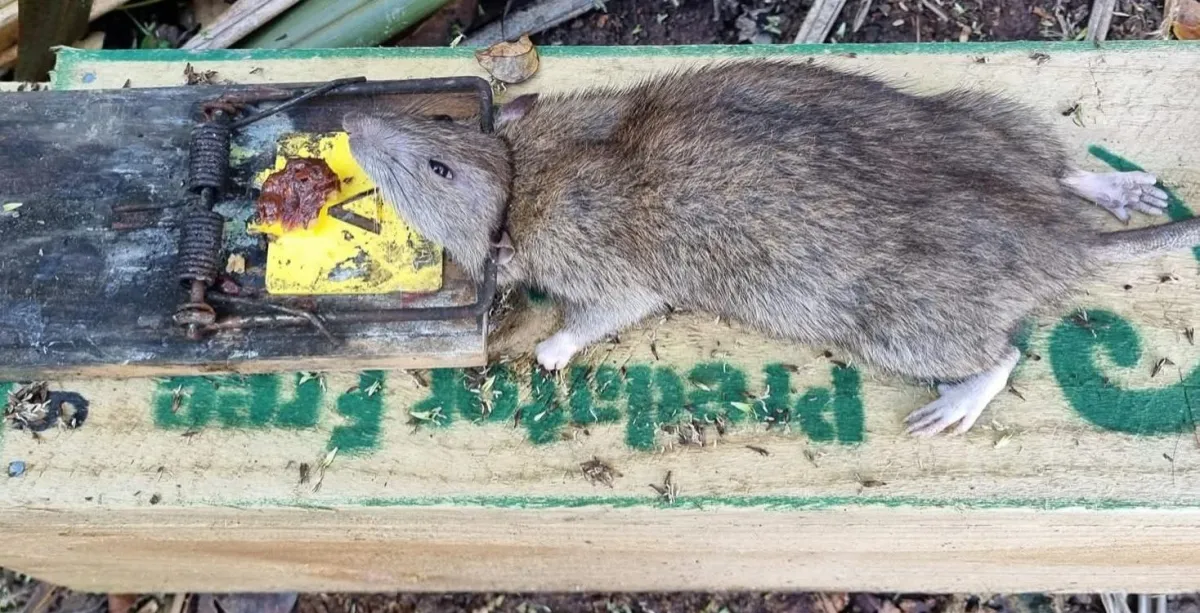
Low Performing Traps
Haven’t had any captures in the last seven visits? you may want to look at changing the bait or moving the trap location.
Look for the Signs
It isn't as simple as putting a trap just anywhere, and crossing your fingers. Keep an eye out for signs of a well used path - Pests like to use a path that is easy to travel and keeps them feeling somewhat safe, often following routes along the side of buildings or other structure. Try place your traps against something or create a barrier to naturally draw your target right
into your trap.
Tasty Treats, Everything has a preference
Try different baits - just like people, pests can have unique food preferences, if your baits not getting taken try something new.
Believe it or not!
TRAPNZ can be useful for YOU!
Recording every catch to help you see trends to make you a better trapper in the future.
Use as a monitor for success and failure with the location and bait used, Keeping your catches logged can be a great tool for you to track what traps and bait work best and what placement get you the best results!
you can use the previous traps catch to help lure the next catch, rub the traps entrance with the body or leave the fresh body nearby to attract more attention to the area.
All of our Wak a Rat Tunnels and Containment boxes for our DOC200 are made by our own Committee Member Andy Gough, Built by quality materials and built to last.
Helpful Tip
Make sure your traps smell good!
When cleaning or performing maintenance on your traps it's important to remember chemical smells are not very attractive to pests, use peanut oil or other food-based oil to clean your traps and keep them smelling tempting to your targets.
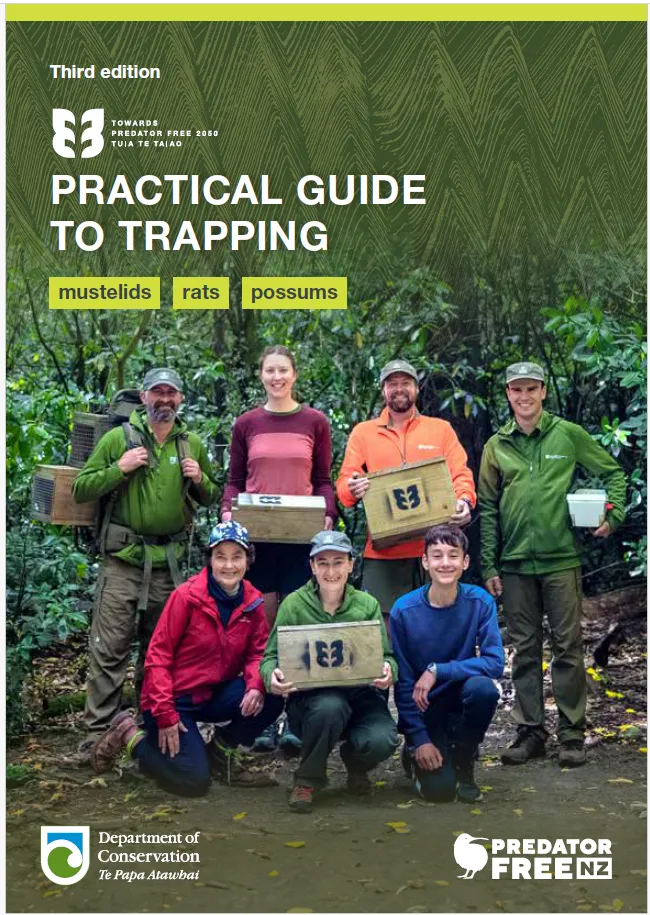
Trapper Guide (Digital Copy Download)
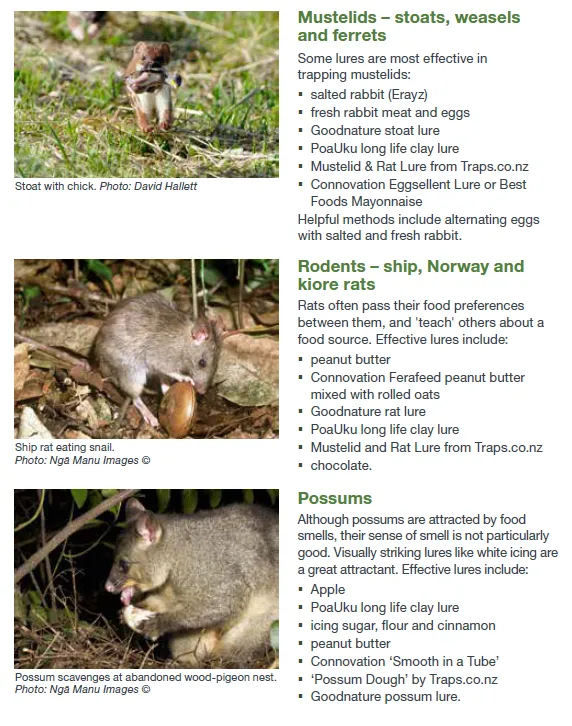
Knowing when and where
Knowing The Enemy Is Half The Battle
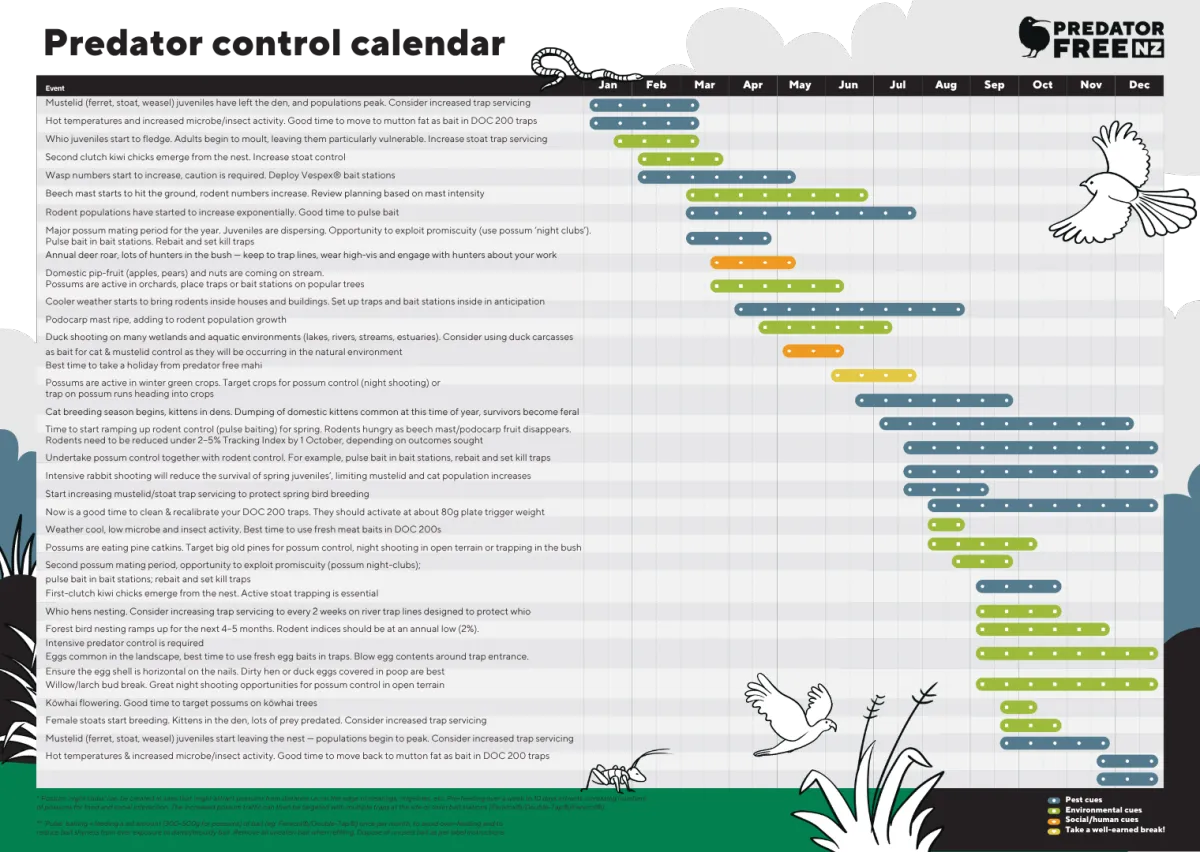
Trapping consistently can be an effort sometimes, if you want to use your time wisely then trap to the conditions.
Predator Free New Zealand have put together a handy calendar noting seasonal activities, environmental cues and what we should be doing during these periods to make the most of our time.
Useful Links for Local Trapping
Predator Free New Zealand
A national hub of trapping advice, guides and success stories. A great place to learn techniques, compare tools and stay updated on predator control across Aotearoa.

Helpful information on identifying and managing invasive weeds, plus details on where you can dispose of green waste for free in the Auckland region.

A regional network connecting predator control groups across Auckland. Helps share data, coordinate efforts and strengthen community impact

MetService Three‑Day Weather
Weather plays a big role in trapping success. This forecast gives you a clear picture of local rain and temperature patterns so you can plan your trap checks and baiting.

Matuku Link
A wetland restoration project in the Bethells Valley focused on habitat protection, education and predator control. Offers volunteer opportunities and guided visits
A collaborative conservation project in the Waitākere Ranges that combines trapping, monitoring and species reintroduction. A great example of long-term ecological care.

Community Waitākere
A Team with the goal of a 'West Auckland where all communities flourish' this mission statement applies to our native flora and fauna and a great resource to the community

Dead Rat LTD
Supplying proven traps and lures trusted by trappers nationwide. With decades of hands‑on experience, Dead Rat Ltd delivers gear that works.
Tested, refined, and built to make every catch count.
Predator Free Wai Huruhuru Creek
A small but mighty community initiative working to reduce predator numbers. Their dedication and commitment to the community are great for inspiration and practical tips. They are also very active in planting for the community.

ReCreators
A social enterprise promoting sustainable living through upcycled crafts, workshops and education. A creative way to connect conservation with community wellbeing.
Getting Started
Ready to Set Your First Trap?
Getting into trapping is easier than it looks, and a few simple steps will set you up for success. Begin by choosing a trap that suits your property, whether you’re dealing with rats, mustelids or both. Place it in a sheltered spot where pests naturally travel, and use a fresh lure to draw them in.
Once your trap is set, check it regularly and record your catches so you can see what’s working. If you ever need advice, want to compare results or just connect with others in the area, our Facebook group is the best place to ask questions and learn from locals.
Community powered conservation for Waitakere and Swanson.