Giving you the tools to reach your goals
Giving the birds a fighting chance
Ecosystem Health
Trapping supports natural processes and helps restore balance to our ecosystems. Every reduction in predator numbers benefits birds, bats, insects and plants, strengthening the health of our forests and wetlands.
Protect Vulnerable Species
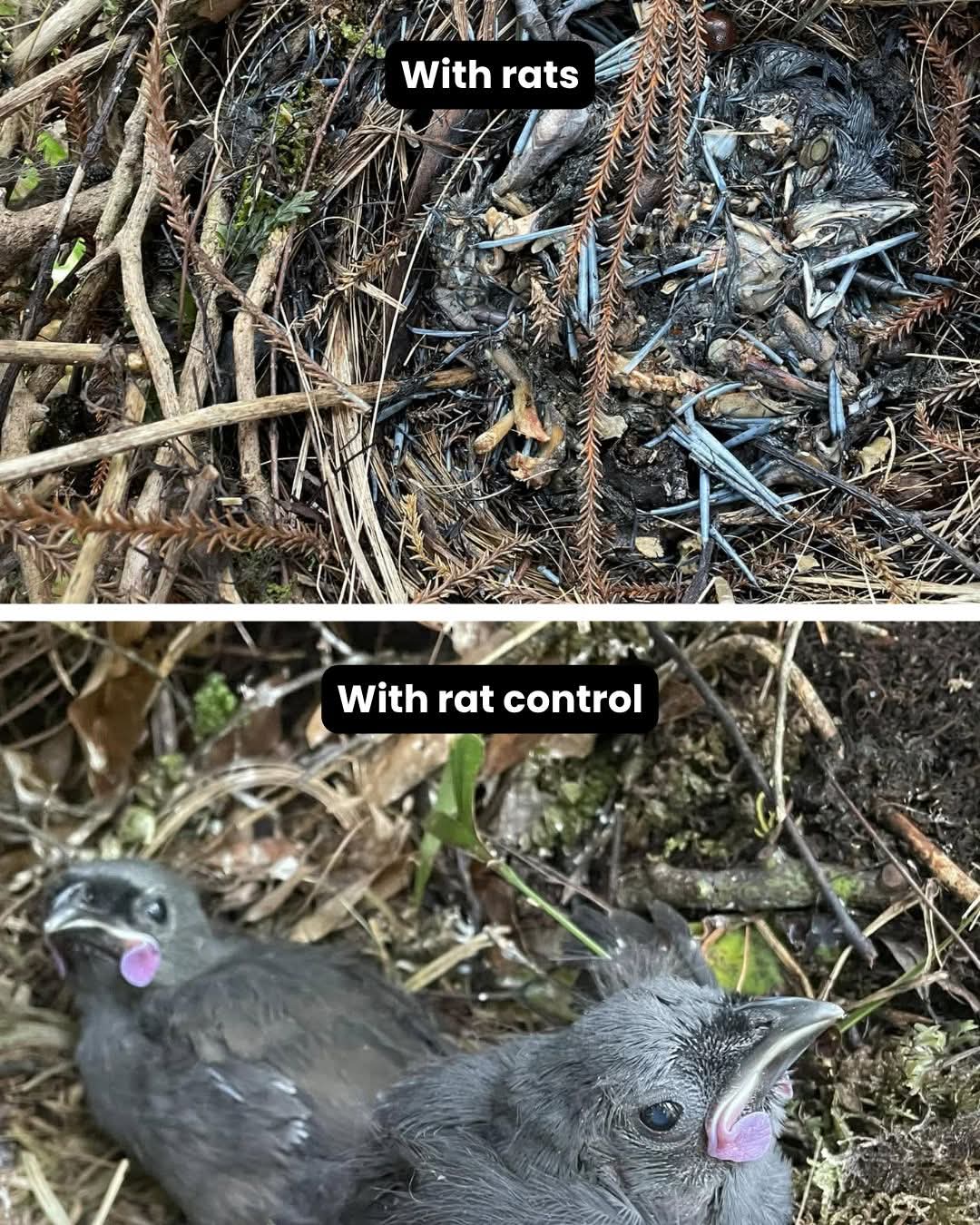
Ground‑nesting and flightless birds are most at risk from predators. Regular trapping increases breeding success and helps prevent further extinctions — more than 60 bird species have already been lost, and 80 percent of those remaining are still at risk.
Combat Disease Spread
Rodents and other pests spread disease to wildlife, livestock and humans. Controlling them reduces contamination and keeps our environment safer for both people and animals.
Do it for the birds
Giving the birds a fighting chance
New Zealand’s identity is deeply tied to its birdlife — from the call of the tūī to the quiet rustle of kiwi in the bush. Protecting these species means protecting who we are. Every trap set, every weed pulled and every pet kept safe helps restore balance to our ecosystems and gives our native birds the space they need to thrive.
Trapping isn’t just about birds; it supports the health of our entire environment — bats, insects, lizards, frogs and the plants that depend on them. By reducing predators and restoring habitat, we’re helping nature recover from the damage caused by introduced species.
Alongside trapping, simple actions like planting natives, keeping pets contained and encouraging others to get involved all make a measurable difference. Together we can ensure that our forests stay alive with birdsong for generations to come.
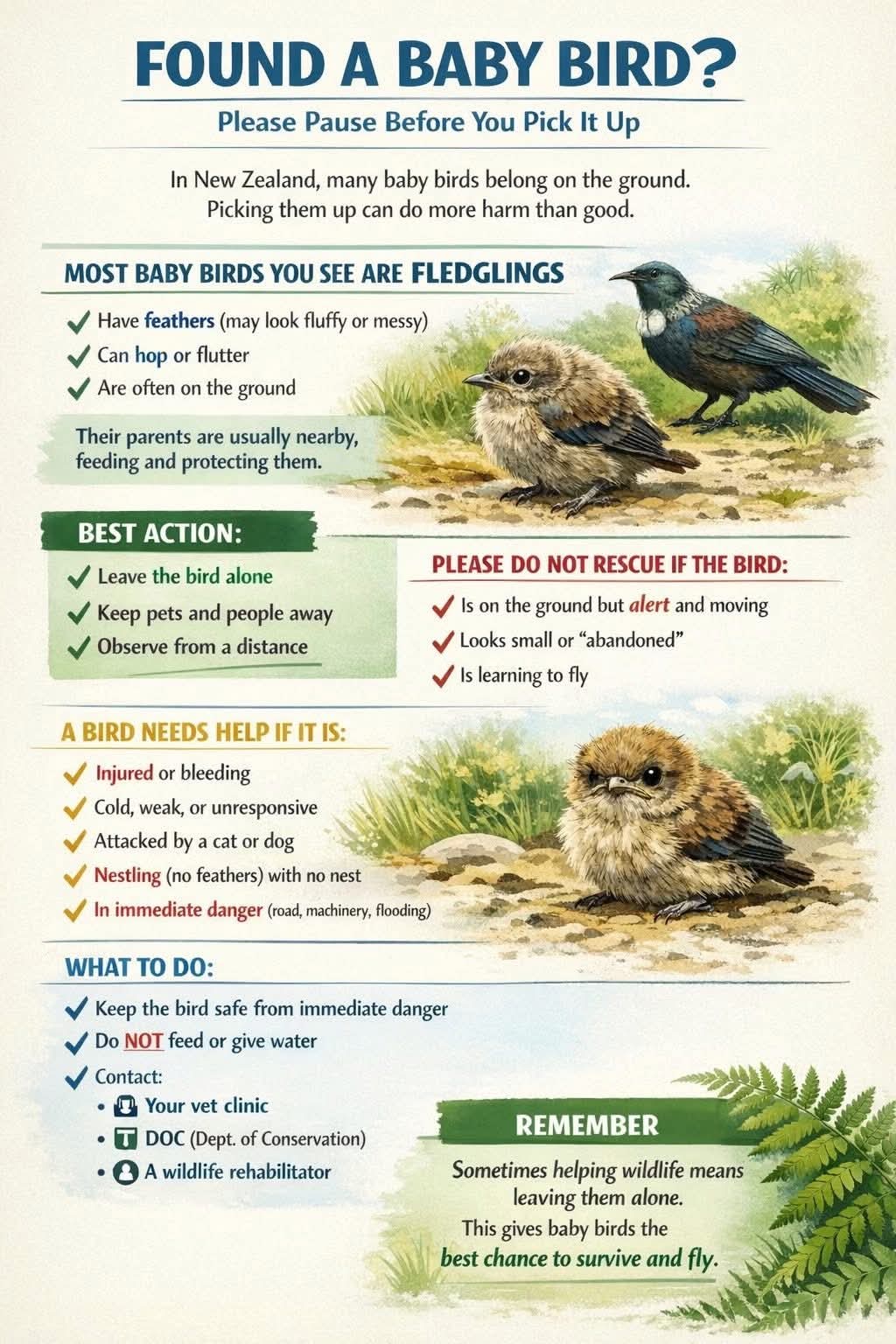
Useful and Interesting Reads
Predator Free 2050: Pests and threats
5 ways to up your game as a responsible cat owner - Predator Free NZ Trust
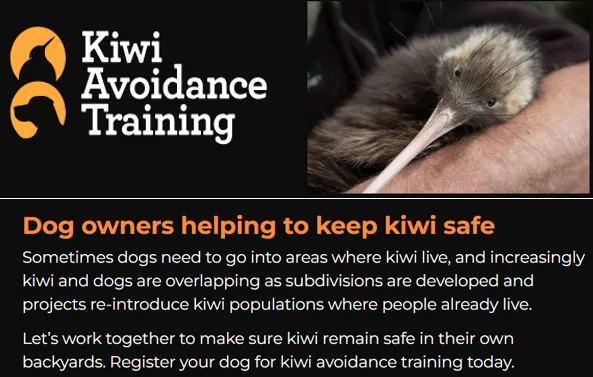
Kiwi avoidance training for dogs: Dog training
Guide to encouraging responsible pet ownership
Predator-free groups make way for native birds to thrive again in remote areas | WWF-New Zealand
Home page | New Zealand Birds Online
21 Animals and Birds Unique to New Zealand - NZ Pocket Guide
Identifying plants and animals | Te Ara Encyclopedia of New Zealand
ePredator Free NZ Predator control calendar. Image credit: PFNZ A monthly reminder: the predator control calendar you can’t do without - Predator Free NZ Trust

Ronald Richards
Founder CEO
Useful Links for Local Trapping
Predator Free New Zealand
A national hub of trapping advice, guides and success stories. A great place to learn techniques, compare tools and stay updated on predator control across Aotearoa.

Helpful information on identifying and managing invasive weeds, plus details on where you can dispose of green waste for free in the Auckland region.

A regional network connecting predator control groups across Auckland. Helps share data, coordinate efforts and strengthen community impact

MetService Three‑Day Weather
Weather plays a big role in trapping success. This forecast gives you a clear picture of local rain and temperature patterns so you can plan your trap checks and baiting.

Matuku Link
A wetland restoration project in the Bethells Valley focused on habitat protection, education and predator control. Offers volunteer opportunities and guided visits

A collaborative conservation project in the Waitākere Ranges that combines trapping, monitoring and species reintroduction. A great example of long-term ecological care.

Community Waitākere
A Team with the goal of a 'West Auckland where all communities flourish' this mission statement applies to our native flora and fauna and a great resource to the community
A fast-growing community initiative working to reduce predator numbers across Franklin. Their resources and local stories are great for inspiration and practical tips.

ReCreators
A social enterprise promoting sustainable living through upcycled crafts, workshops and education. A creative way to connect conservation with community wellbeing.
Getting Started
Ready to Set Your First Trap?
Getting into trapping is easier than it looks, and a few simple steps will set you up for success. Begin by choosing a trap that suits your property, whether you’re dealing with rats, mustelids or both. Place it in a sheltered spot where pests naturally travel, and use a fresh lure to draw them in.
Once your trap is set, check it regularly and record your catches so you can see what’s working. If you ever need advice, want to compare results or just connect with others in the area, our Facebook group is the best place to ask questions and learn from locals.
Community powered conservation for Waitakere and Swanson.