Giving you the tools to reach your goals
Targeting Possums
Understanding Possums
Possums damage native habitats, eat eggs and chicks and compete with birds for food. Controlling their numbers makes an immediate difference to forest health and helps protect species like tūī, kererū and ruru.
Lures and Blaze Tips
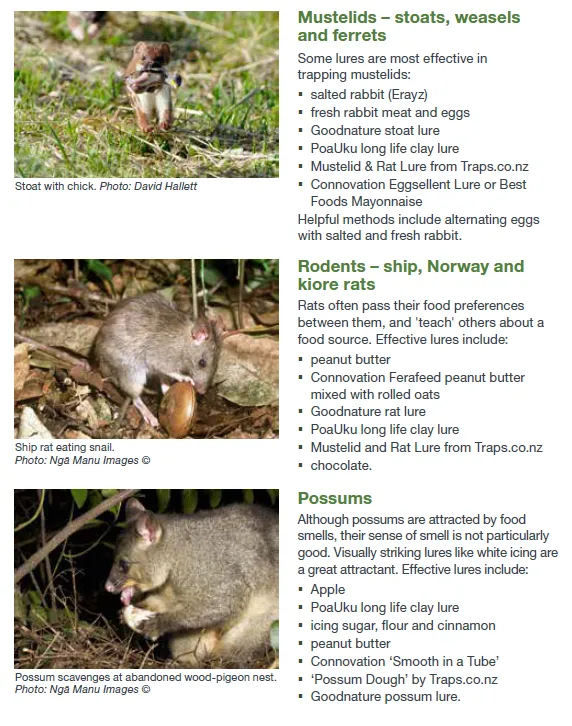
Possums are curious and respond well to simple baits like fruit, peanut butter and sweet scents. A flour blaze mixed with cinnamon or icing sugar creates a strong visual and scent cue that draws them toward your trap.
What a Blaze Is
A blaze is a visible flour mix used to attract possums to traps or bait stations. It’s easy to make and highly effective, helping guide possums in and increasing your chances of a successful catch.
Beginner Essentials
Mount traps on trees with possum signs, use palatable baits, check traps regularly and adjust lures as needed. Always handle traps safely and wear gloves when setting or clearing them.
Why Pound a Possum?
Targeting Possums
Possums are one of the most destructive pests across Waitākere and Swanson, damaging native bush, eating eggs and chicks, and putting pressure on the birds we’re working hard to protect. Reducing their numbers has an immediate impact on forest health, garden safety and the wellbeing of species like tūī, kererū and ruru.
They’re curious animals that respond well to scent, movement and sweet lures, which means you don’t need toxins to be effective. Simple baits like fruit, peanut butter or a flour blaze mixed with cinnamon or icing sugar can draw them straight to your trap. Our own Chef Mark Dronjak has even created a gourmet blaze mix to help locals get better results with less effort.

To help beginners get started, we’ve included practical tips, lure advice and placement guidance below. You’ll also find two helpful videos showing how to use the Timms trap and the Flipping Timmy safely and effectively. These walkthroughs give you a clear visual guide, making it easier to set traps correctly and understand how possums behave around them.
Auckland Council
Possum trapping | Pest Animal Management | Timms trap
Learn trapping tips and how to effectively use a Timms trap to manage possums on your property
Connovation
How to Trap Possums with a Flipping Timmy
Learn how to trap possums with a Flipping Timmy. This video is a complete step-by-step guide on how to use a flipping timmy and trap possums in New Zealand.
Trapper Guide (Digital Copy Download)
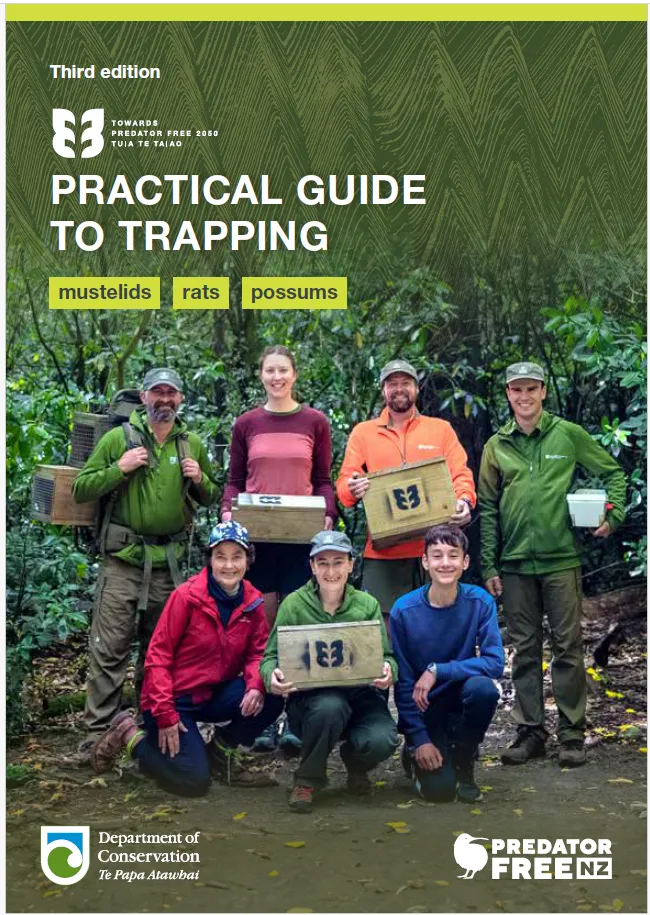
ePredator Free NZ Predator control calendar. Image credit: PFNZ A monthly reminder: the predator control calendar you can’t do without - Predator Free NZ Trust

Ronald Richards
Founder CEO
Useful Links for Local Trapping

Predator Free New Zealand
A national hub of trapping advice, guides and success stories. A great place to learn techniques, compare tools and stay updated on predator control across Aotearoa.

Helpful information on identifying and managing invasive weeds, plus details on where you can dispose of green waste for free in the Auckland region.

A regional network connecting predator control groups across Auckland. Helps share data, coordinate efforts and strengthen community impact

MetService Three‑Day Weather
Weather plays a big role in trapping success. This forecast gives you a clear picture of local rain and temperature patterns so you can plan your trap checks and baiting.

Matuku Link
A wetland restoration project in the Bethells Valley focused on habitat protection, education and predator control. Offers volunteer opportunities and guided visits

A collaborative conservation project in the Waitākere Ranges that combines trapping, monitoring and species reintroduction. A great example of long-term ecological care.

Community Waitākere
A Team with the goal of a 'West Auckland where all communities flourish' this mission statement applies to our native flora and fauna and a great resource to the community
A fast-growing community initiative working to reduce predator numbers across Franklin. Their resources and local stories are great for inspiration and practical tips.

ReCreators
A social enterprise promoting sustainable living through upcycled crafts, workshops and education. A creative way to connect conservation with community wellbeing.
Getting Started
Ready to Set Your First Trap?
Getting into trapping is easier than it looks, and a few simple steps will set you up for success. Begin by choosing a trap that suits your property, whether you’re dealing with rats, mustelids or both. Place it in a sheltered spot where pests naturally travel, and use a fresh lure to draw them in.
Once your trap is set, check it regularly and record your catches so you can see what’s working. If you ever need advice, want to compare results or just connect with others in the area, our Facebook group is the best place to ask questions and learn from locals.
Community powered conservation for Waitakere and Swanson.