Giving you the tools to reach your goals
Mastering the Mustelid Menance
Understanding Mustelids
Stoats, ferrets and weasels are skilled hunters and climbers that thrive in bush, farmland and urban edges. Their impact on native birds is severe, making consistent trapping essential to protect vulnerable species.
Stoat Facts
Female stoats can become pregnant before leaving the nest, and young stoats may travel over 70 km in just two weeks searching for new territory. Their speed and adaptability make them one of New Zealand’s most damaging pests.
Recommended Traps
DOC200 traps are the standard for stoats and other mustelids. Place them along fence lines, stream edges or bush tracks where these predators are known to travel. Regular checks keep traps effective and humane.
Bait and Handling Tips
Fresh rabbit or chicken works best as bait, though dried meat can also attract stoats. Always wear gloves to reduce human scent and keep traps shaded to preserve bait freshness.
Stoats, Ferrets and Weasels, OH MY!
Mastering the Mustelid Menance
Stoats, ferrets and weasels were introduced to New Zealand in 1879 to control rabbits — a decision that quickly turned disastrous. These predators spread through forests and farmland, attacking eggs, chicks and small birds, and driving several native species to extinction. Agile, fast and relentless, they hunt for sport as much as for food.
Regular trapping and community involvement are key to keeping their numbers down. Every trap set and every catch logged helps protect our native wildlife and ensures no more species are lost to the mistake of introducing these predators to our country.

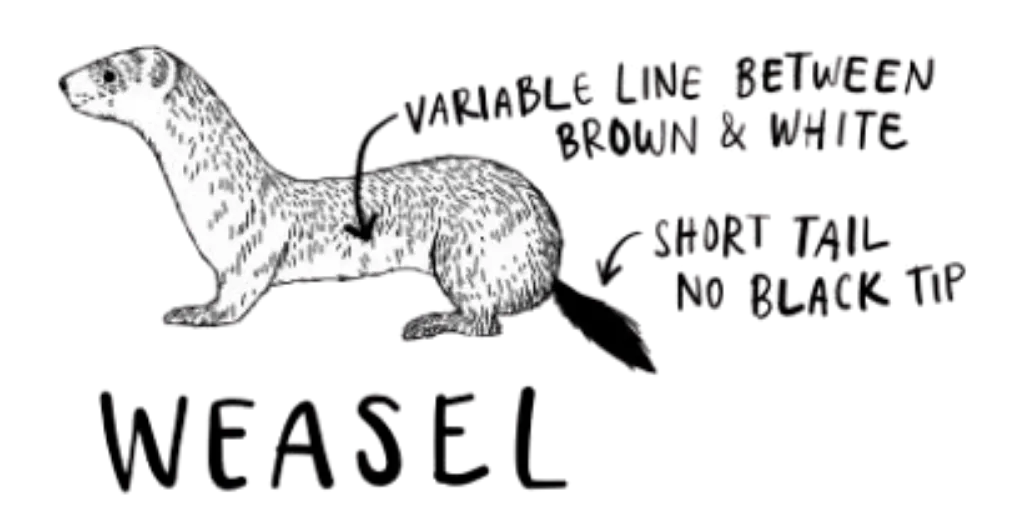
A guide to weasel control
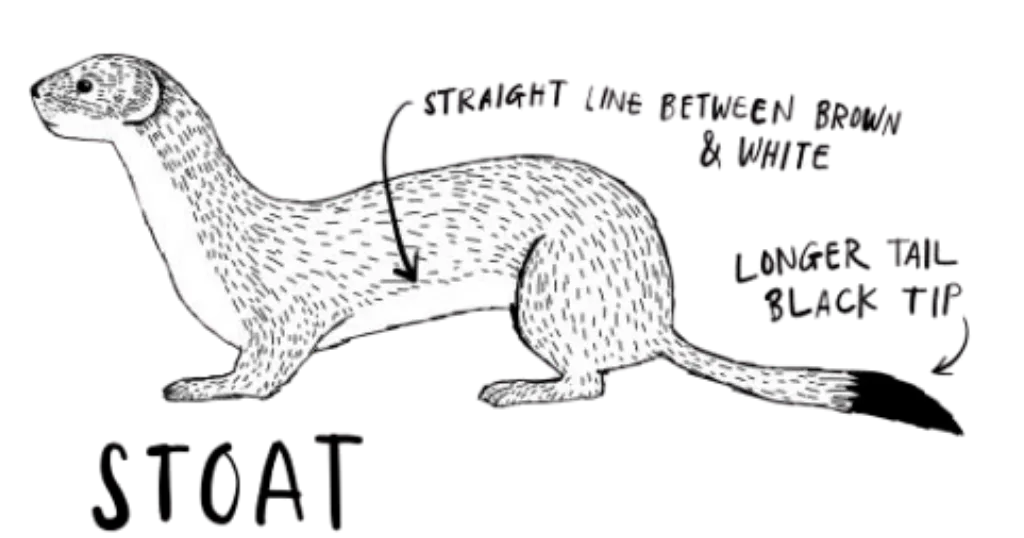
A guide to Stoat control
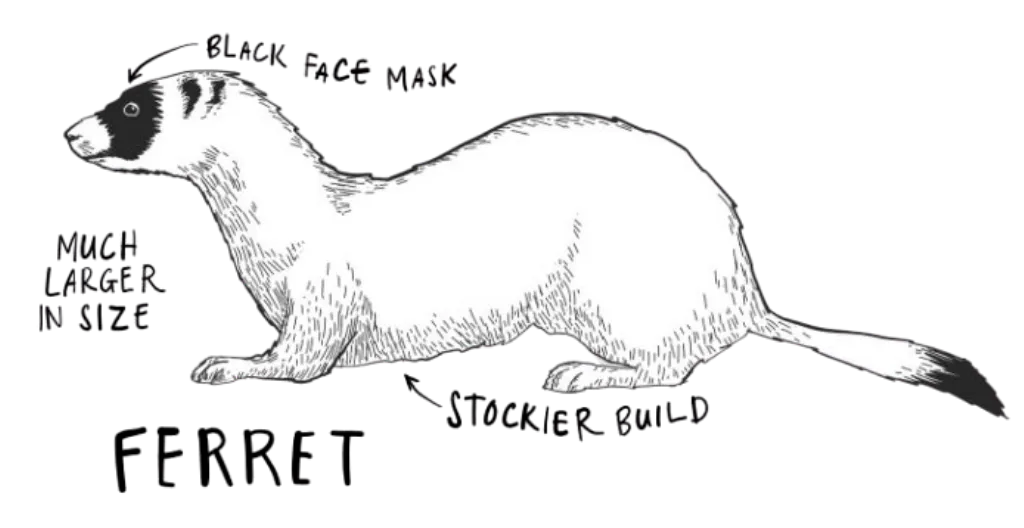
A guide to Ferret control
Trapper Guide (Digital Copy Download)
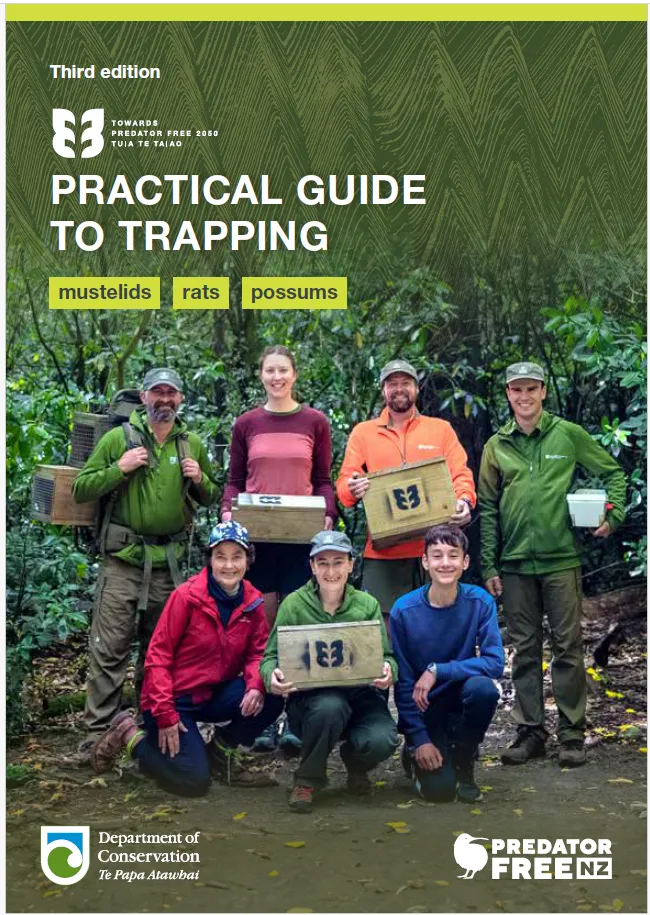
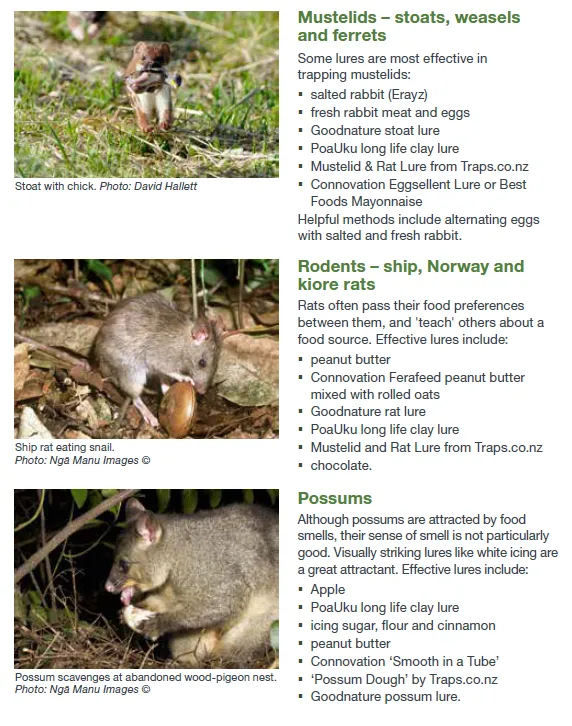
ePredator Free NZ Predator control calendar. Image credit: PFNZ A monthly reminder: the predator control calendar you can’t do without - Predator Free NZ Trust

Ronald Richards
Founder CEO
Useful Links for Local Trapping

Predator Free New Zealand
A national hub of trapping advice, guides and success stories. A great place to learn techniques, compare tools and stay updated on predator control across Aotearoa.

Helpful information on identifying and managing invasive weeds, plus details on where you can dispose of green waste for free in the Auckland region.

A regional network connecting predator control groups across Auckland. Helps share data, coordinate efforts and strengthen community impact

MetService Three‑Day Weather
Weather plays a big role in trapping success. This forecast gives you a clear picture of local rain and temperature patterns so you can plan your trap checks and baiting.

Matuku Link
A wetland restoration project in the Bethells Valley focused on habitat protection, education and predator control. Offers volunteer opportunities and guided visits

A collaborative conservation project in the Waitākere Ranges that combines trapping, monitoring and species reintroduction. A great example of long-term ecological care.

Community Waitākere
A Team with the goal of a 'West Auckland where all communities flourish' this mission statement applies to our native flora and fauna and a great resource to the community

A fast-growing community initiative working to reduce predator numbers across Franklin. Their resources and local stories are great for inspiration and practical tips.

ReCreators
A social enterprise promoting sustainable living through upcycled crafts, workshops and education. A creative way to connect conservation with community wellbeing.
Getting Started
Ready to Set Your First Trap?
Getting into trapping is easier than it looks, and a few simple steps will set you up for success. Begin by choosing a trap that suits your property, whether you’re dealing with rats, mustelids or both. Place it in a sheltered spot where pests naturally travel, and use a fresh lure to draw them in.
Once your trap is set, check it regularly and record your catches so you can see what’s working. If you ever need advice, want to compare results or just connect with others in the area, our Facebook group is the best place to ask questions and learn from locals.
Community powered conservation for Waitakere and Swanson.