
Protecting Our Native Birds from Predators
Welcome to Predator Free Waitākere/Swanson
Traps
Easy to use traps that help you target rats, possums and mustelids. We guide you through setup so you can start protecting native wildlife with confidence
Community
Join a local network of people working together to protect native birds. Every household that takes part strengthens the health of our forests and wildlife.
Equipment
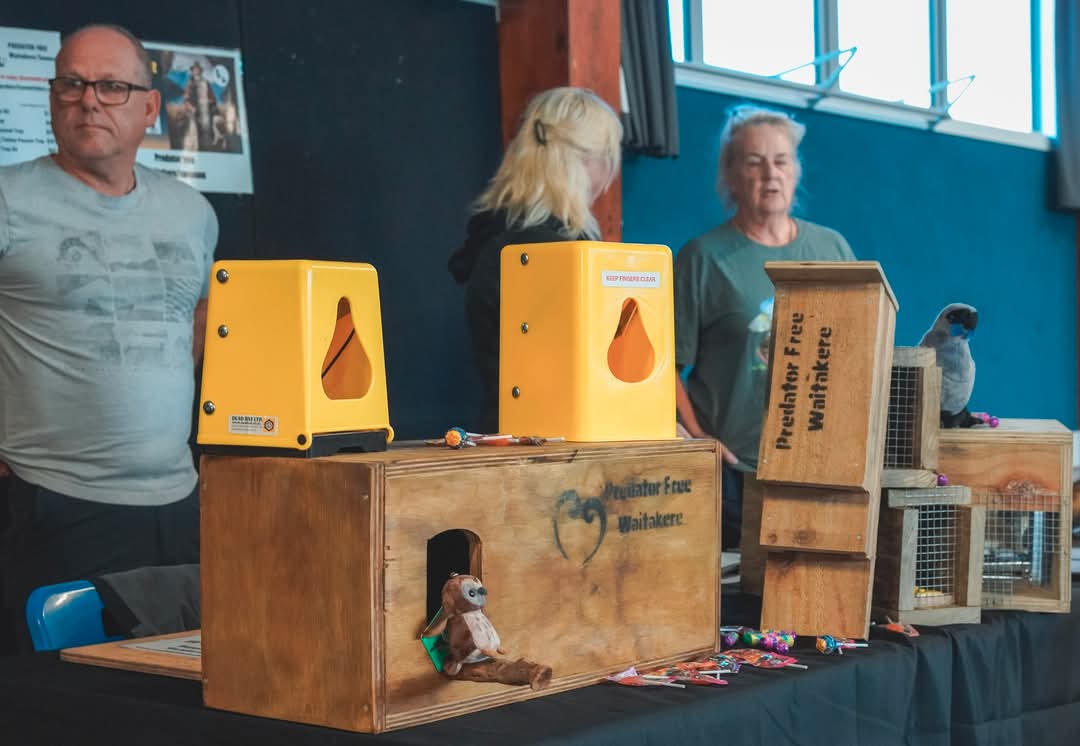
We supply proven field tested gear that is built to last. From bait stations to trap boxes, everything is selected for reliability, safety and ease of use.
Support
You are never on your own. Our team offers setup help, trapping tips and ongoing advice to make sure your efforts are successful and sustainable
About Predator Free Waitakere/Swanson
Protecting Our Native Birds from Predators
Predator Free Waitakere Swanson is a grassroots conservation group working to restore native birdlife by removing invasive predators. Since 2020 we have helped locals trap thousands of rats, possums and mustelids. These species threaten our forests, birds and ecosystems.
We provide subsidised traps, expert advice and a community platform where every catch counts. Whether you are a seasoned trapper or just starting out, we help you make a real difference. Together we are building a safer future for tui, kereru and all the native species that call this place home.
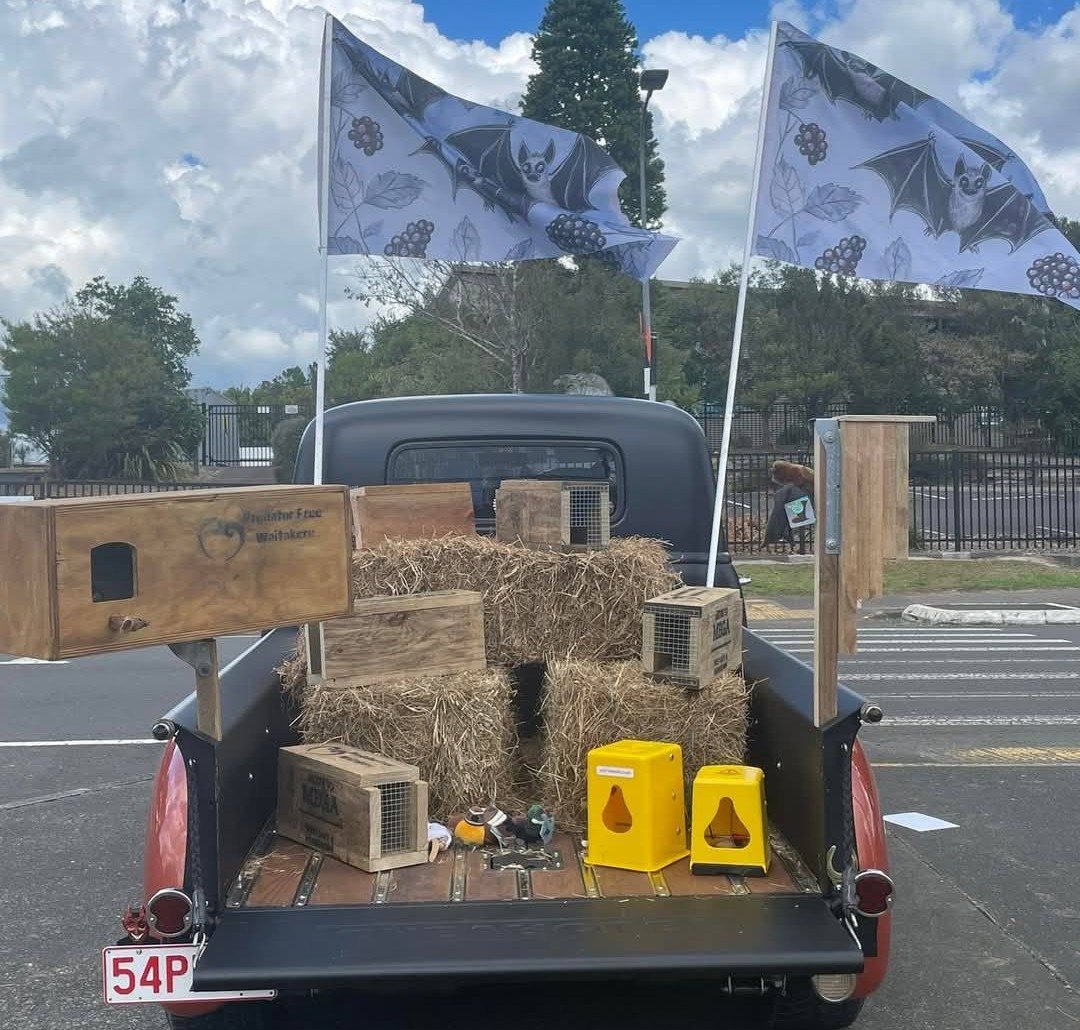
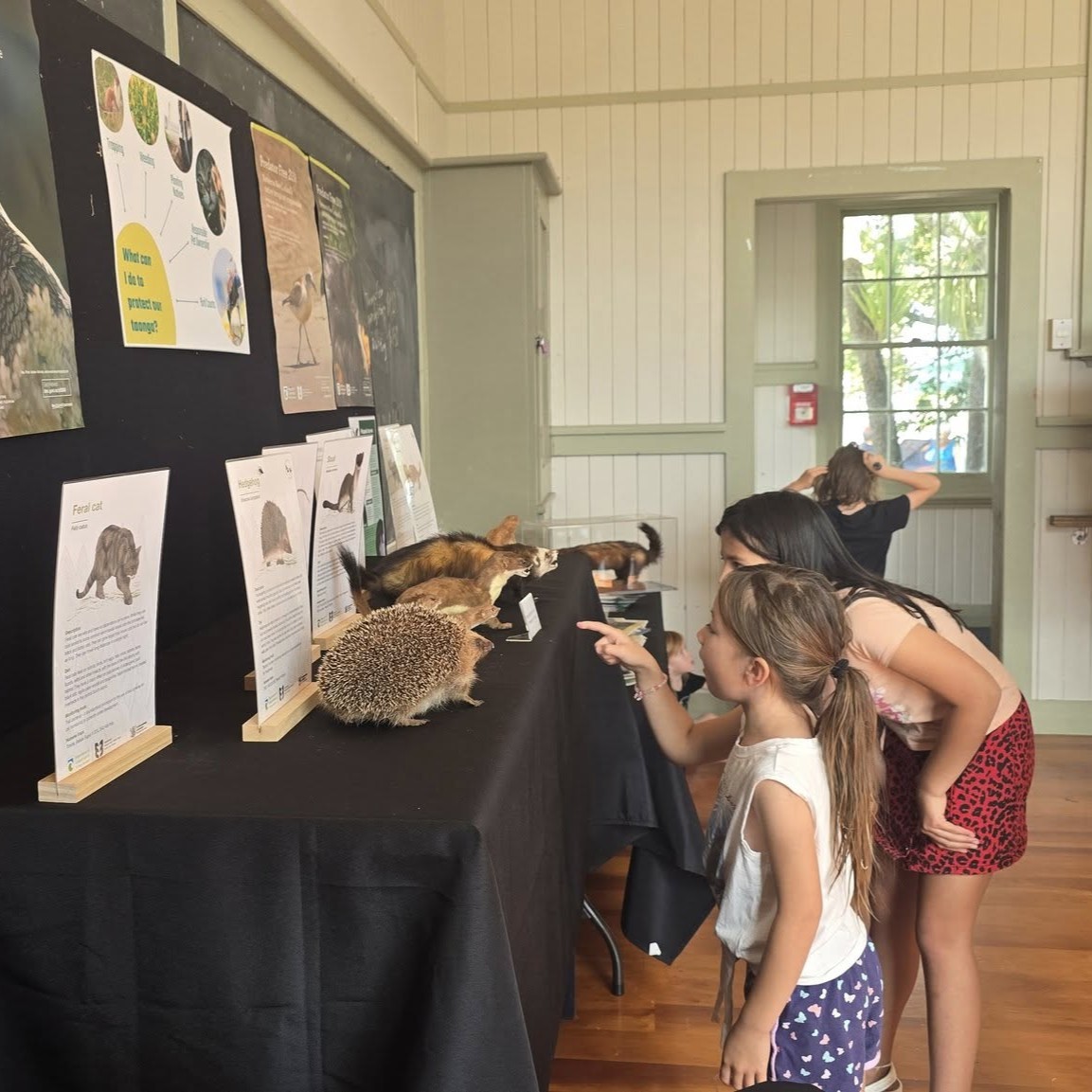
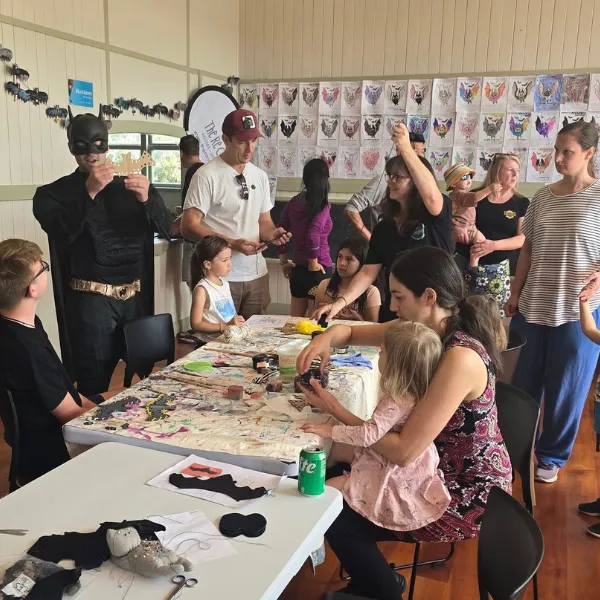
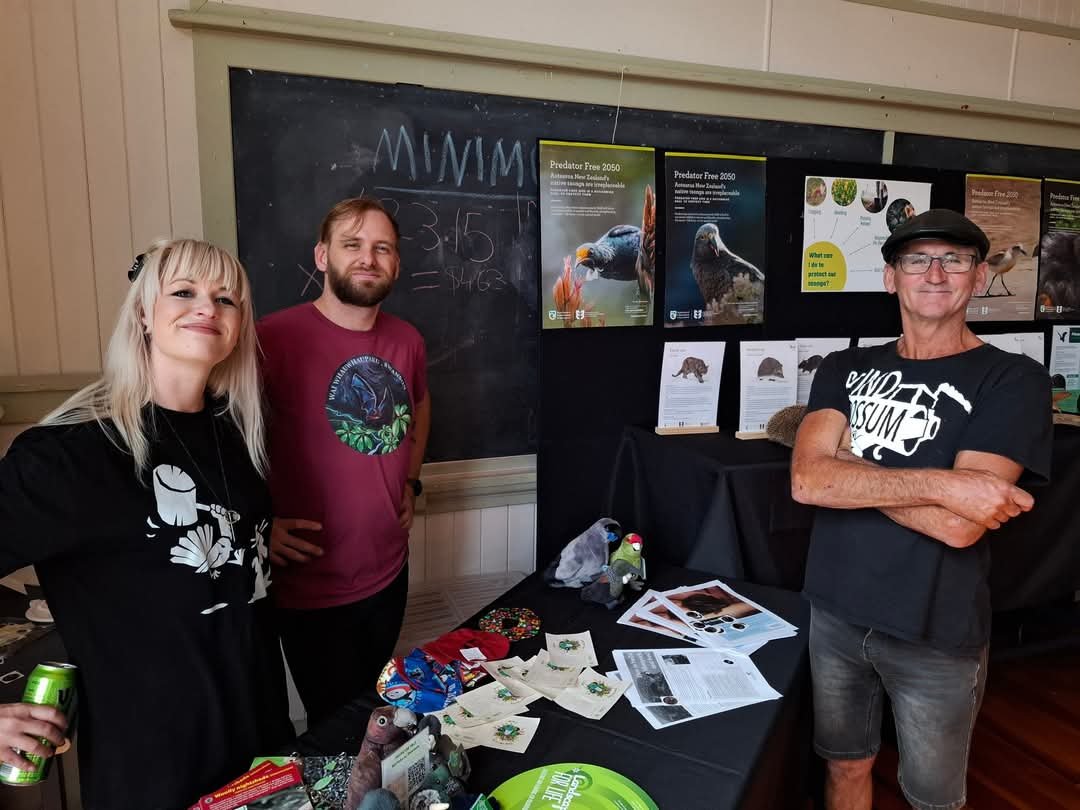
It’s up to our locals to make a difference and adopt a large-scale predator free initiative, starting in their own backyards. We hope to encourage and bring our community together with the common goal of protecting, restoring and safeguarding Waitākere’s unique species for our families and future.
Our Groups main focus is increased awareness and to encourage trapping on private land. We place a high importance on our locals to get involved and put in the mahi and begin trapping themselves. More active trappers provided with the right tools to protect the native wildlife in such a massive area.
Whatever the reason to get involved it is with Community and Collaborative effort we can reduce the introduced and invasive species and help make Predator Free by 2050, a very reachable goal with many hands
Predator Free Waitākere/Swanson is managed completely by locals volunteering within the community giving their personal time, knowledge, sweat and tears into this project, all brought together by a range of motivations to achieve a common goal.
whether it be to:
Bring more natives to their backyard and enjoy a personal bird sanctuary
Reducing personal garden and home destruction, veges dug out and eaten, cables and walls damaged by pests moving in to your home (saving on repair costs)
Give back to the community or put yourself out there as a way to meet new people in the area
Keeping your family safe from diseases and contaminated food spread by rodents
Looking out for your pets, putting a stop to egg and feed stealers in your chook pen, flea infestations
Learn together and bond with your children and family

Ronald Richards
Founder CEO
How To Support Us

Donate Traps to us Via Forest and Birds - Give a Trap
Use this platform to support Predator Free Waitakere/ Swanson. Give a trap to our group and they organize the supply and delivery of the trap directly to us. Once we have received your gift, we will put it to work helping our birds. Find out more on the Forest and Bird website.
Buy Our Traps and Join Our Projects
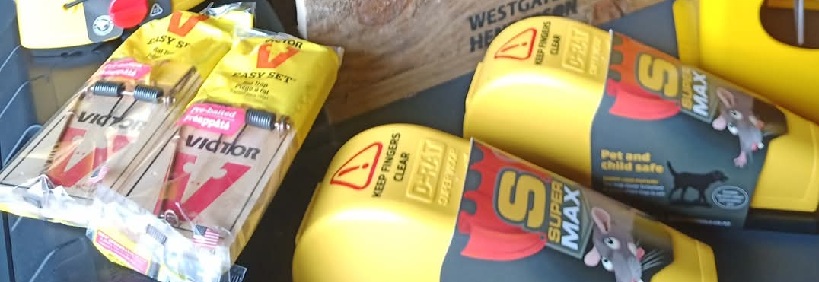
Buy traps from us to help our group grow, not only are our traps subsidized to our local trappers but all funds go into furthering our goals and giving back to the community. Dont want to purchase a trap but still help out,You can also donate directly to us via the shop.
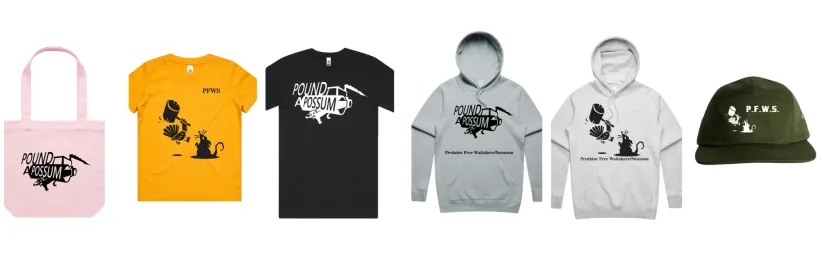
Show your support to everyone while you're out and about and Buy Our Merch
Locally designed just for us by our talented drawmedave these logos represent our group with a proud westie humor that's sure to catch eyes and be a conservation starter for the predator free movement.

Want to volunteer your time or get involved in other ways?
Share your ideas, feedback or express interest in wanting to be more involved with us.
Contact us,
We would love to hear from you!
Proudly Supported By





Newsletters & Events
Stay up to day with Us
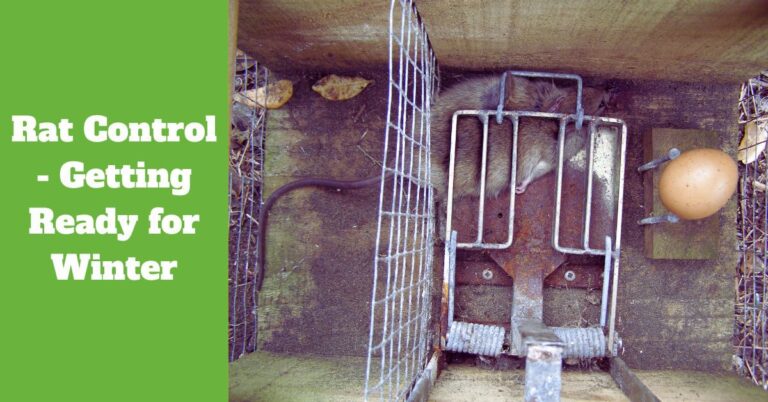
Rat Control – Getting Ready for Winter
Historic Blog Post - April 28, 2023
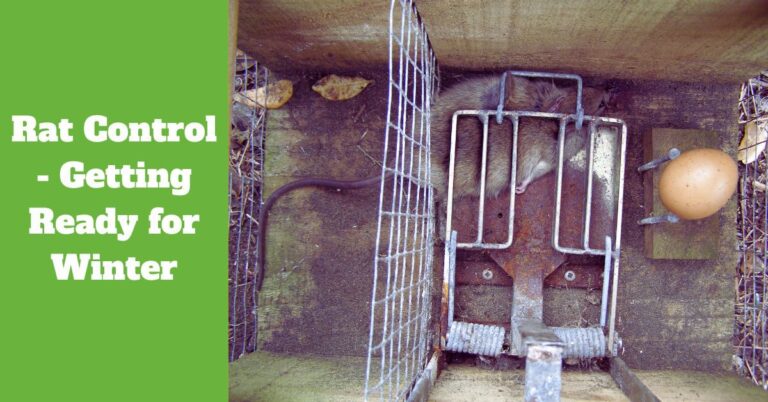
Rat Control – Getting Ready for Winter
As the cooler weather arrives it can lead to rats looking for a warm place to live.
Rats can make their homes in many different habitats on the farm, property, city or countryside. Rats thrive where there is a source of food, water and shelter and are major pests in both urban and rural areas. Rats can impact on native flora and fauna, spread disease, damage crops and buildings and contaminate foodstuffs.
Kiorewas the first rat to arrive in NZ, brought by the first Polynesian settlers. The larger Norway rat followed, which escaped from Cook’s Endeavour in 1769, and these were soon followed by ship rat in the early 1800’s.
Ship rat is now the most widespread of the three rat species, out-competing the others. Kiore is only present now on some offshore islands. Norway rat is a good swimmer and usually associated with lakes, rivers, streams, wharves, sewers, and industrial sites.
All three species are mainly nocturnal and have significant impacts on native flora and fauna, in particular native birds, lizards, frogs and invertebrates. They also eat large quantities of native seeds, which have serious implications for native regeneration in natural areas.
Learn more the three Species and how to identify them HERE
Join our Newsletter
Events
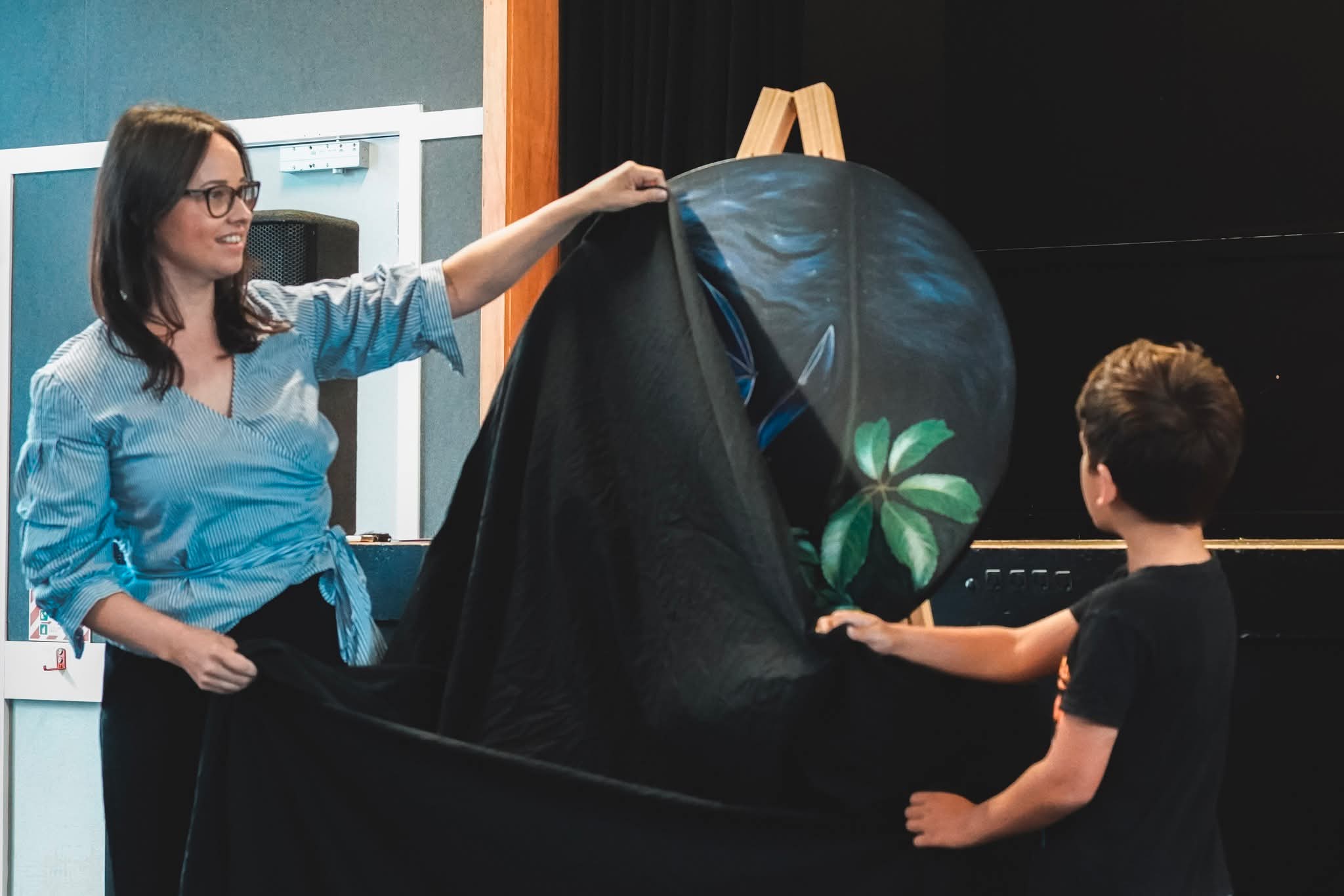
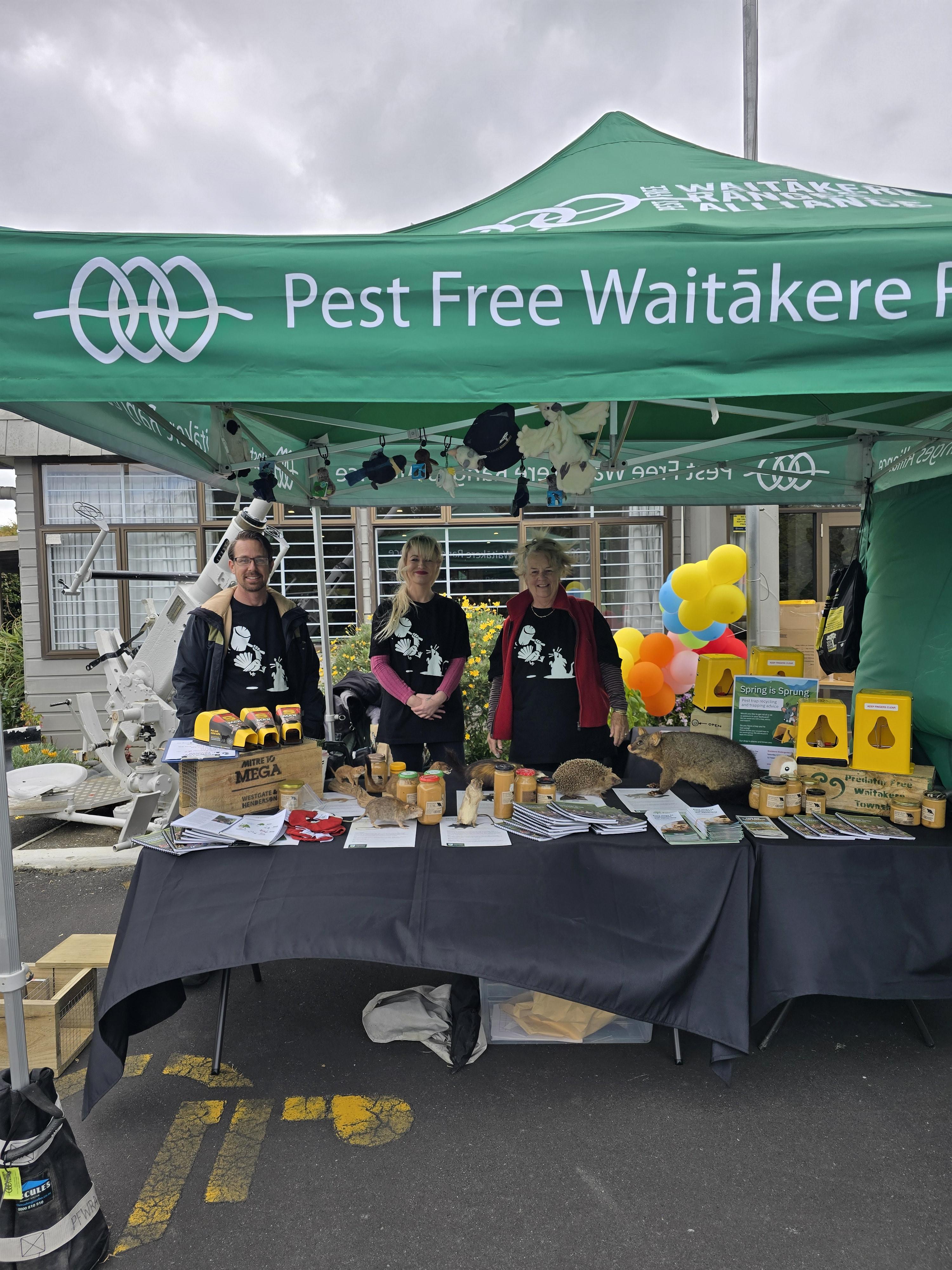
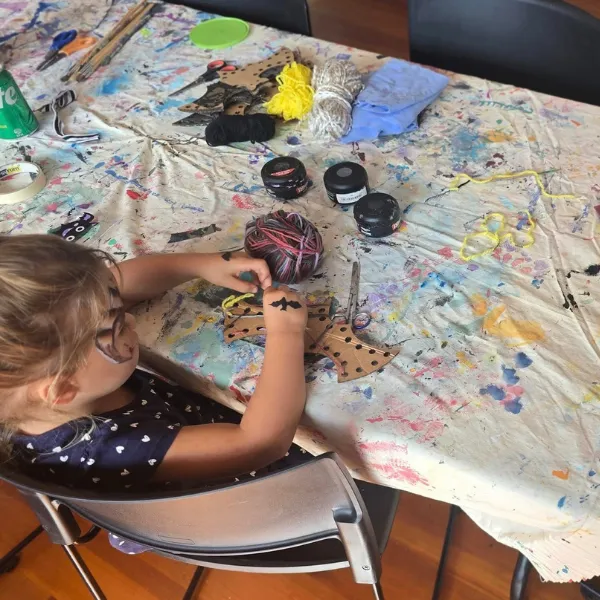
We’re Proud of our Events
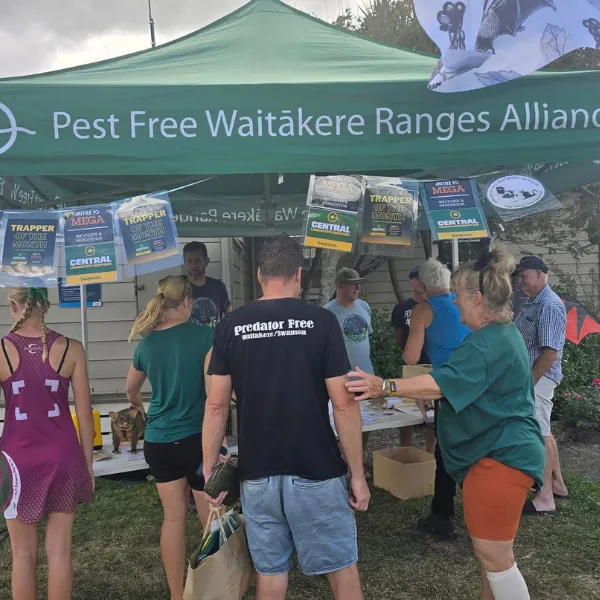
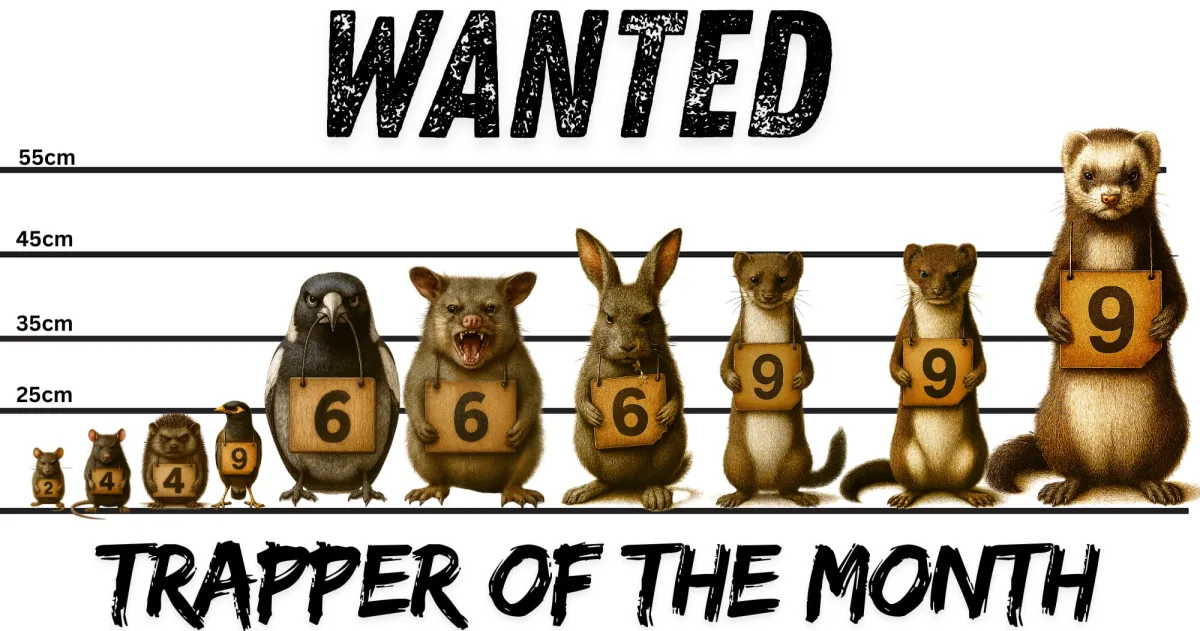
Trapper of the Month
Track the progress of our local trapping network.
View the latest results and learn how the rankings work.
Community powered conservation for Waitakere and Swanson.
